


Philosophy
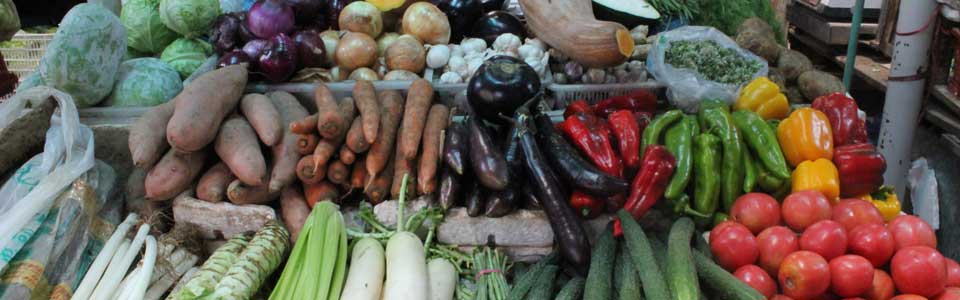
The Cookbook Project is all about supporting health for the individual and the planet throughexperiential food-based education. We are aligned with the goals of the Slow Food Movement and the Food Justice Movement. We work with a variety of organizations to help make the connection between access to fresh and healthy foods and education. One of the CBP’s central goals is to provide educational workshops in local communities in order to bridge the gap between access to fresh, local food, and knowledge of culturally relevant food preparation. Interestingly, grassroots research on next steps for the Food Justice movement have shown that providing access is not enough — interactive experiential education on nutrition and food preparation are crucial if the Food Justice Movement is to achieve its goals.
What is Food Justice?
“Food Justice is everyone having enough to eat; healthy food for our children; food that doesn’t contain harmful things that we don’t know about;freedom to grow our own food; ability to buy food directly from farmers; fair wages for those who grow, cook and work with food.” —Urban & Environmental Policy Institute. The goals of the food justice movement are threefold:
- To empower the capacity of small family farmers and to advocate for fair labor rights to farm workers
- To improve access to fresh and healthy food in all communities, especially where access is limited
- To facilitate health promotion, community development, social and environmental justice to empower local communities
What is Slow Food?
Slow Food is an international movement founded by Carlo Petrini in 1986. It strives to preserve traditional and regional cuisine and promotes farming of crops characteristic of the local ecosystem. Slow Food works to defend biodiversity in our food supply, spread taste education and connect producers of excellent foods with co-producers through events and initiatives. Slow Food believes the enjoyment of excellent food and drink should be combined with efforts to save the countless traditional grains, vegetables, fruits, animal breeds and food products that are disappearing due to the prevalence of convenience food and industrial agribusiness. Most importantly, Slow Food helps people rediscover the joys of eating and understand the importance of caring where their food comes from, who makes it and how it’s made.